
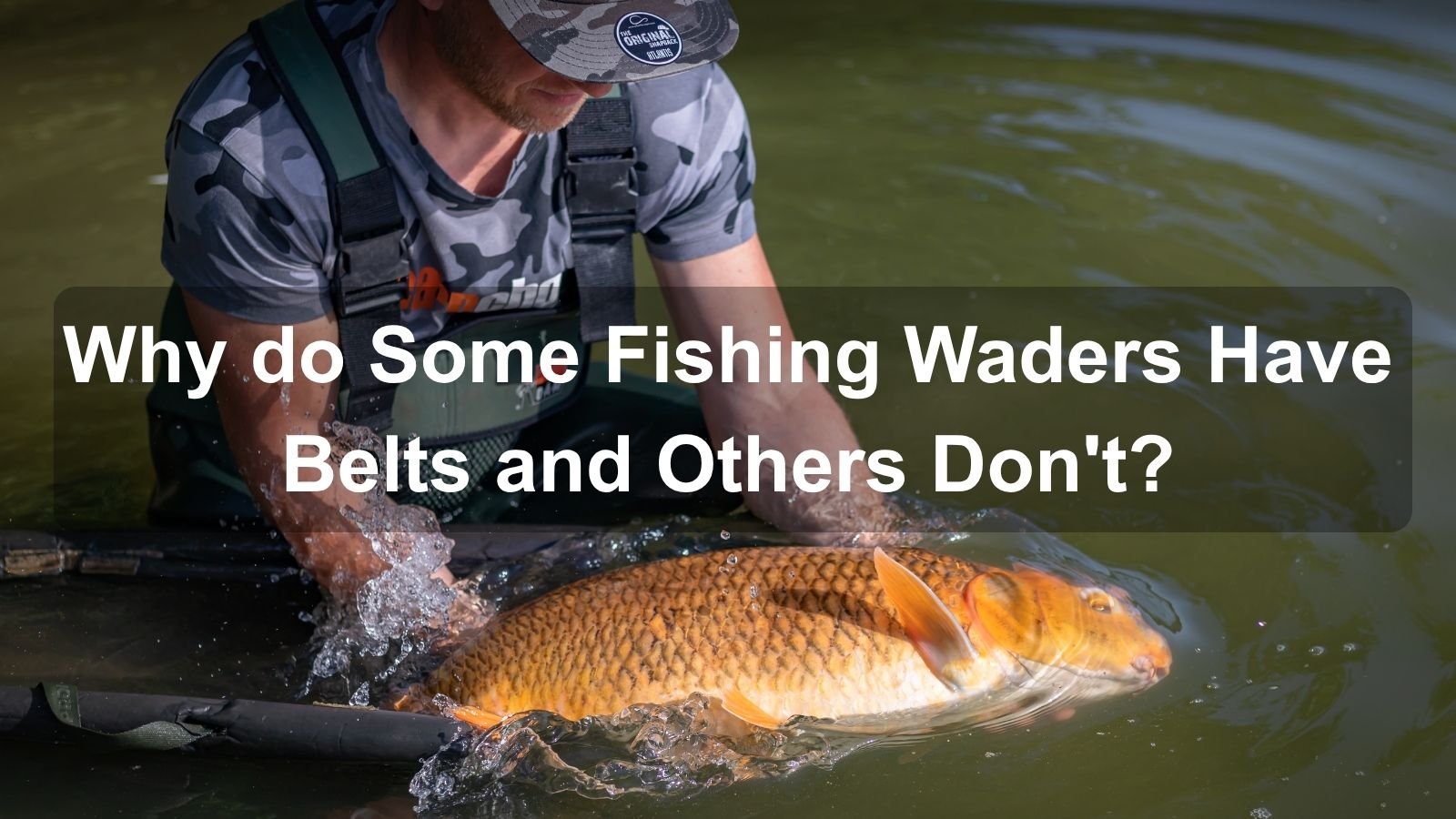
Steltlopers are commonly utilized in fields such as recreational fishing, commercial fisheries, livestock farming, and industrial production. However, depending on the specific usage context, a distinct pattern emerges: while some users opt to wear a wader belt, others choose not to. This article examines the necessity of wader belts, categorizing its analysis based on the requirements of these various industries.
To begin with, here is the conclusion: waders do not strictly require a belt, though one is used in most situations.
Two types of waders: with a belt, and without a belt.
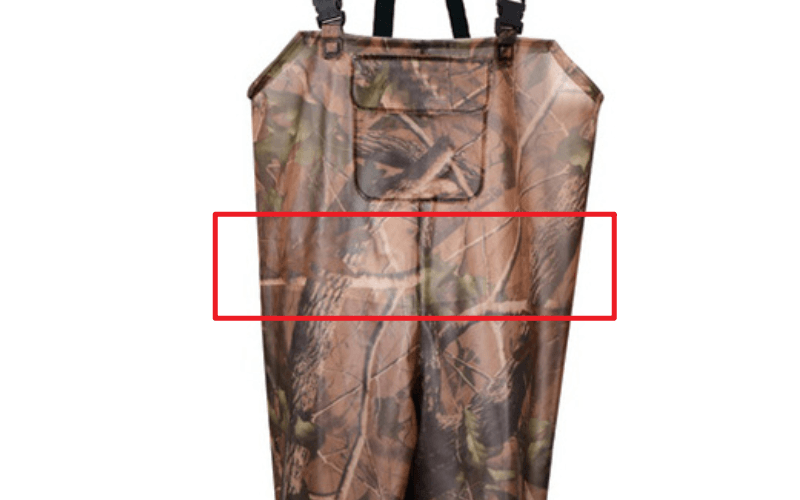
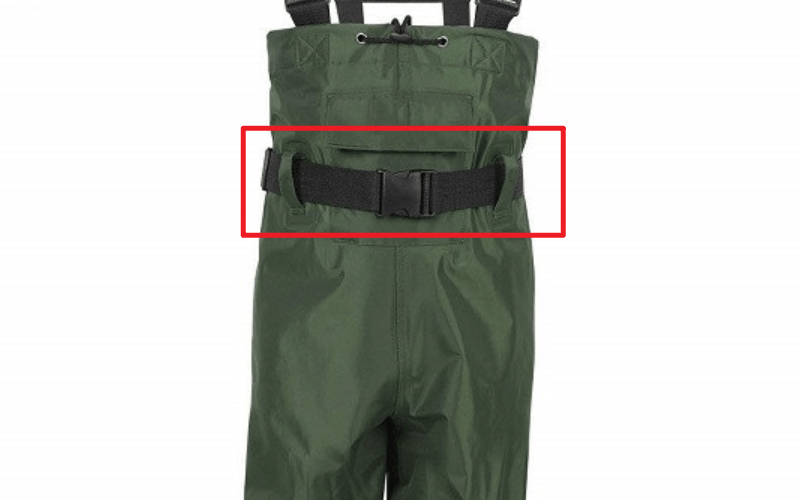
As depicted in the images, the first illustration shows a style without a belt; the overall fit is looser—particularly above the waistline. The second illustration features a belted style, which fits more closely to the body by cinching the waist with the belt.
Different Application Scenarios
Waders with a Waist Belt:
Due to their high safety factor, these waders are widely utilized in commercial fishing, aquaculture, water-based operations, and stream fishing. Should the wearer fall or slip into deep water, water would otherwise rapidly flood the waders; in such instances, the waist belt significantly slows the rate at which water enters, thereby extending the time available for self-rescue. This type typically takes the form of “chest waders” (referring to a height that reaches the chest).
Waders Without a Waist Belt:
These are employed for shallow-water cleaning, food processing, slaughterhouse operations, and general waterproofing tasks where there is no risk of water entering the garment due to a slip or fall. They are commonly found in shallow-water environments or industrial processing sectors.
Different Application Scenarios
Waders with a Waist Belt:
Due to their high safety factor, these waders are widely utilized in commercial fishing, aquaculture, water-based operations, and stream fishing. Should the wearer fall or slip into deep water, water would otherwise rapidly flood the waders; in such instances, the waist belt significantly slows the rate at which water enters, thereby extending the time available for self-rescue. This type typically takes the form of “chest waders” (referring to a height that reaches the chest).
Waders Without a Waist Belt:
These are employed for shallow-water cleaning, food processing, slaughterhouse operations, and general waterproofing tasks where there is no risk of water entering the garment due to a slip or fall. They are commonly found in shallow-water environments or industrial processing sectors.
Additional Benefits of Wader Belts
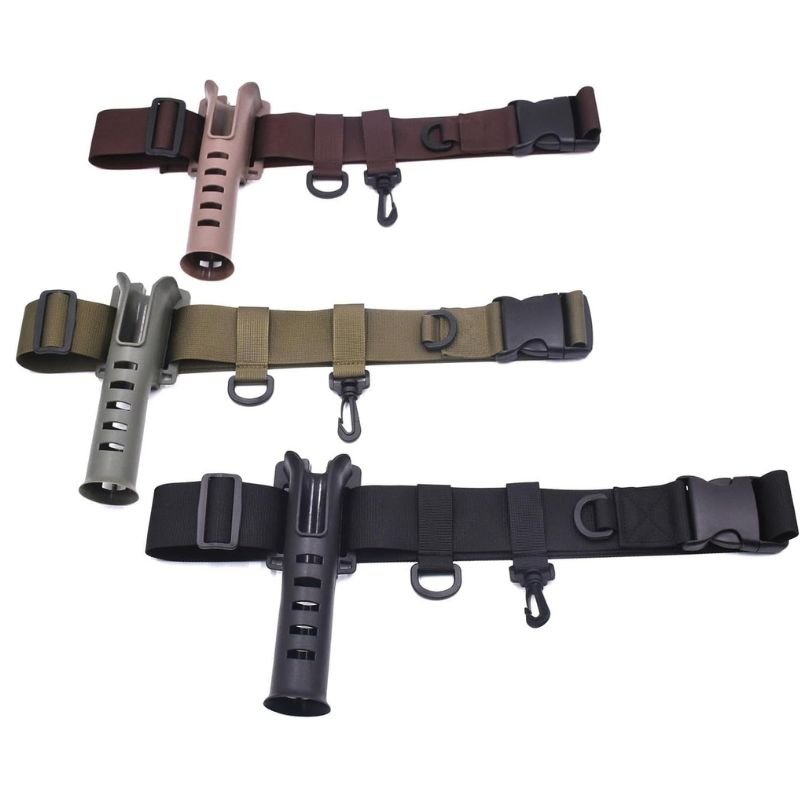
If you are an avid outdoor angler, you may opt for a model featuring quick-release buckles and multiple attachment points, allowing you to securely hang pliers, landing nets, and other accessories.
If you intend to use the waders for industrial applications, a simple nylon webbing belt will suffice; this helps stabilize the waistline—preventing the waders from shifting—and ensures greater ease of movement and safety.
Conclusion:
When selecting waders, prioritize models equipped with a belt; these offer enhanced safety and allow for greater freedom of movement. If you are on a limited budget and do not anticipate working in deep water, you may consider a version without a belt. Ultimately, base your choice on your specific usage scenario to ensure your safety while enjoying the pleasure of every fishing trip.