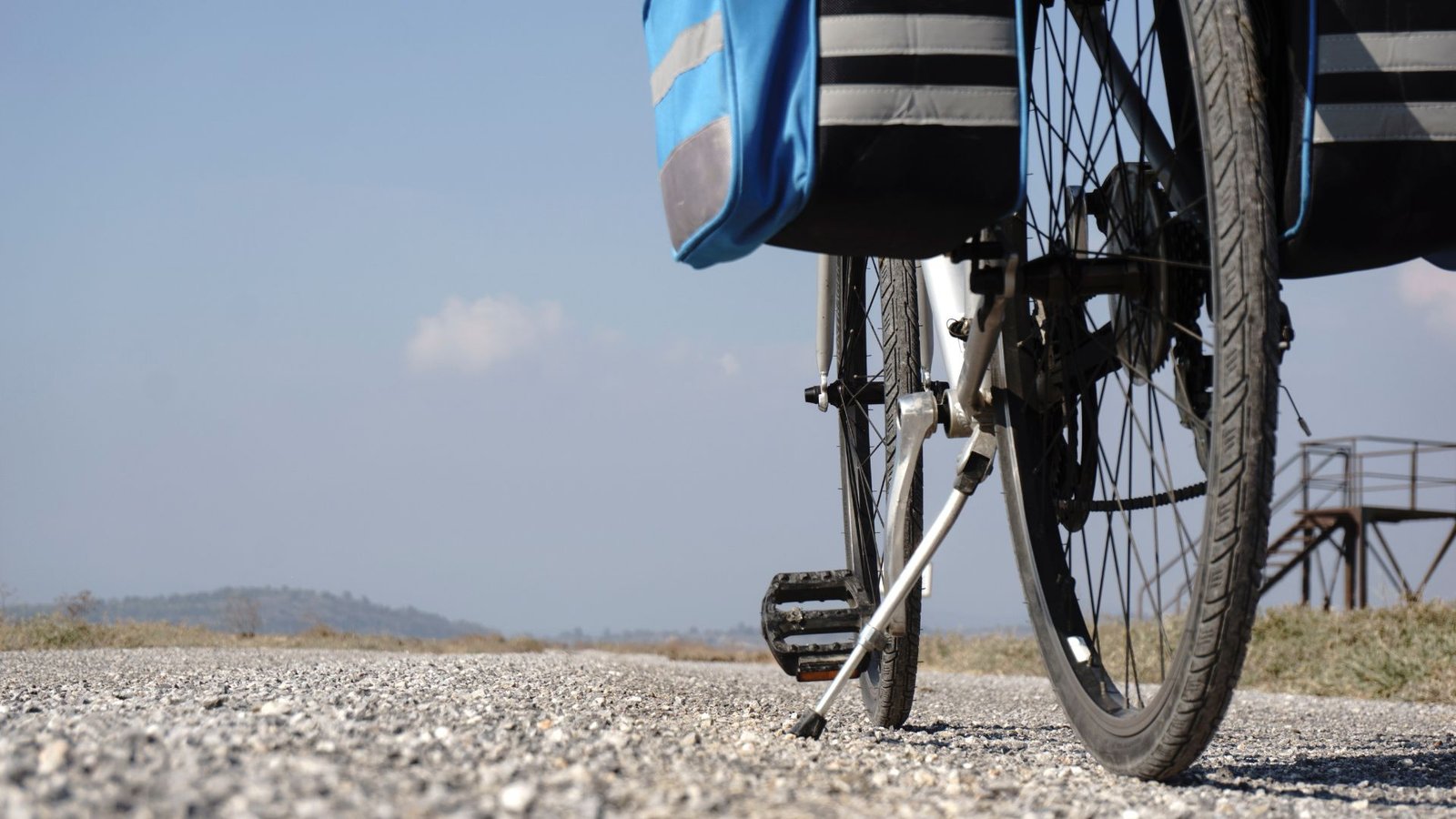
When embarking on long-distance cycling trips, one often wonders which option works better: a fully waterproof pannier or a standard pannier paired with a waterproof rain cover.
Based on our testing and research, here are our recommendations:
For everyday use, simply choose a fully waterproof pannier.
For long-distance touring, opt for a combination of a waterproof pannier and a rain cover.
This article outlines the importance of pannier rain covers and how to select one; please decide for yourself whether this is an essential item for your long-distance journey.
1. What Is a Pannier Rain Cover?
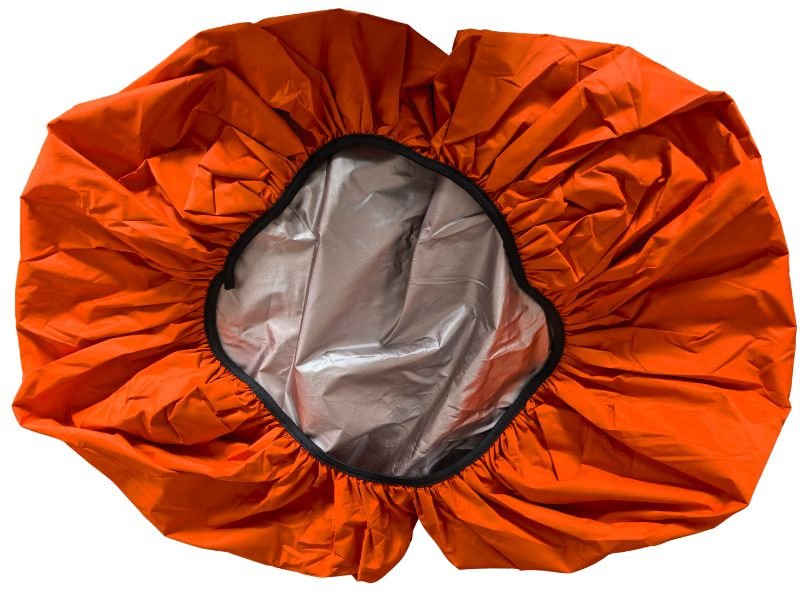
A pannier rain cover is a protective accessory designed specifically for bicycle panniers. Typically made from waterproof fabrics—such as polyester or high-density Oxford cloth—it effectively shields the bag’s contents from rain, mud, and dust during rides or when the bike is parked outdoors, keeping items dry and clean.
The cover fits over the exterior of the pannier and is secured firmly using elastic bands, cords, or fasteners, ensuring it stays in place even during windy rides or on bumpy terrain. Some models feature reflective strips or logos to improve visibility and enhance safety during night or rainy-weather rides.
2. Who Needs a Rain Cover For Bicycle Panniers?
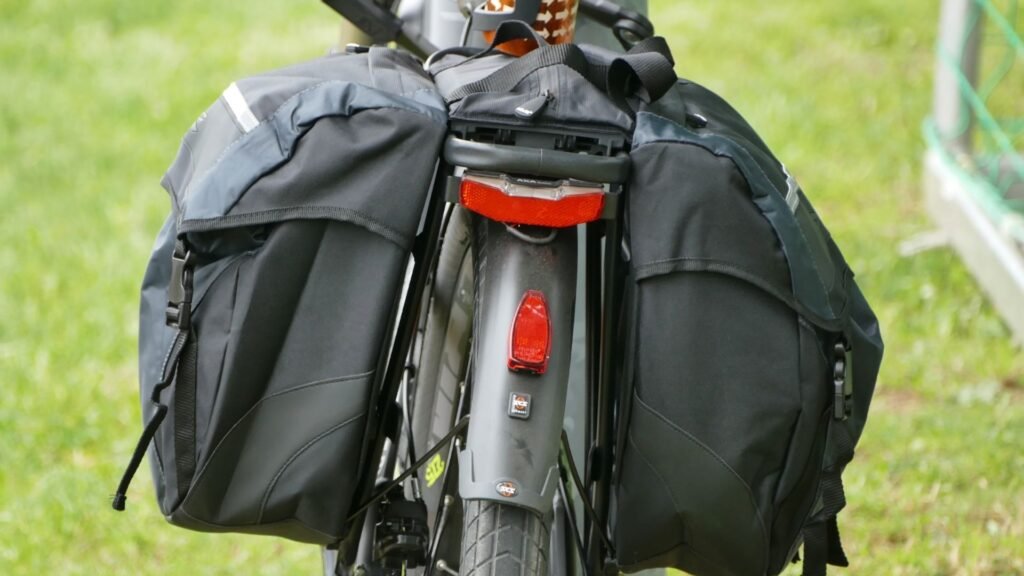
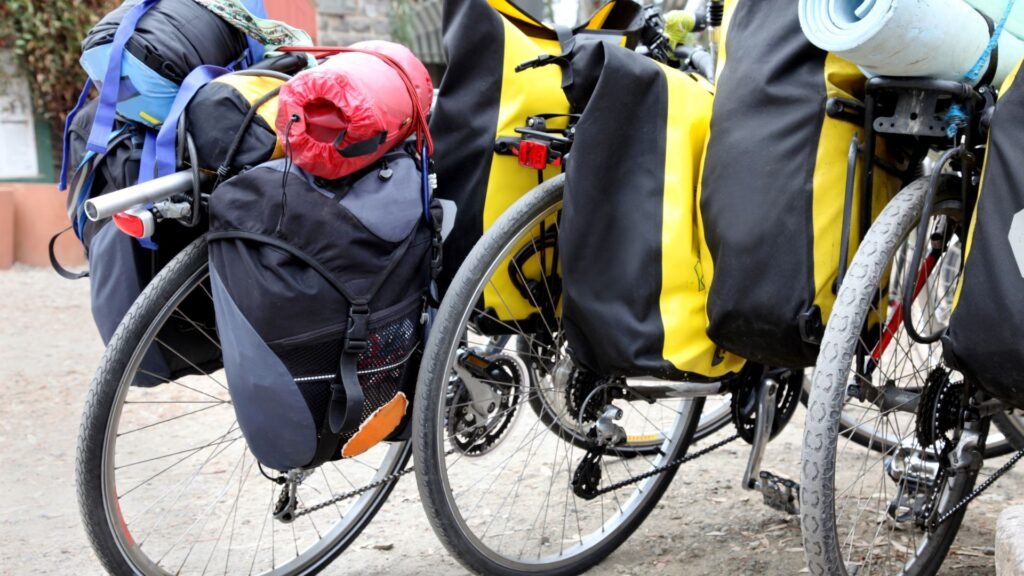
Long-distance cyclists typically use panniers, which are exposed to elements like sun, rain, wind, and dust—factors that can damage both the bags and their contents. Consequently, they often carry a rain cover to protect the panniers and prevent sun exposure from degrading the material’s performance.
However, for short rides or quick shopping trips, a waterproof pannier is the better choice; constantly removing and reattaching a rain cover every time you need to access your belongings would be cumbersome.
3. How to Choose the Right Pannier Rain Cover?
We evaluate pannier rain covers based on five key aspects:
1. Size: First, measure the length, width, and height of the pannier and check the product’s compatibility specifications. A cover that is too small won’t fully cover the bag, while one that is too large may come loose; accurate measurement is therefore crucial.
2. Waterproofing: Rain covers are typically made of 190T or 210D polyester. We prioritize higher-density materials that offer superior waterproofing and tear resistance. Additionally, the inner side should feature a silver coating or other sun-protection treatment.
3. Attachment Design: The cover should be equipped with elastic bands, bungee cords, or fastening buckles to ensure a snug fit. This guarantees the pannier remains securely protected even in strong winds or during high-speed riding.
4. Reflective Features: Check for reflective strips or logos, which effectively enhance safety during overcast weather or at night.
5. Portability and Storage: Prioritize lightweight covers that come with a storage pouch; for long-distance cycling, minimizing weight is always advantageous.
Conclusão
In short, pannier rain covers are designed to provide waterproofing and sun protection, thereby extending the lifespan of the panniers and safeguarding their contents. When selecting one, prioritize the right size, high water resistance, and reflective elements—features that are particularly beneficial for long-distance cycling.
If you are interested in this product or wish to place a bulk custom order, please contact us for more information. We offer sample delivery and customization services and look forward to hearing from you.