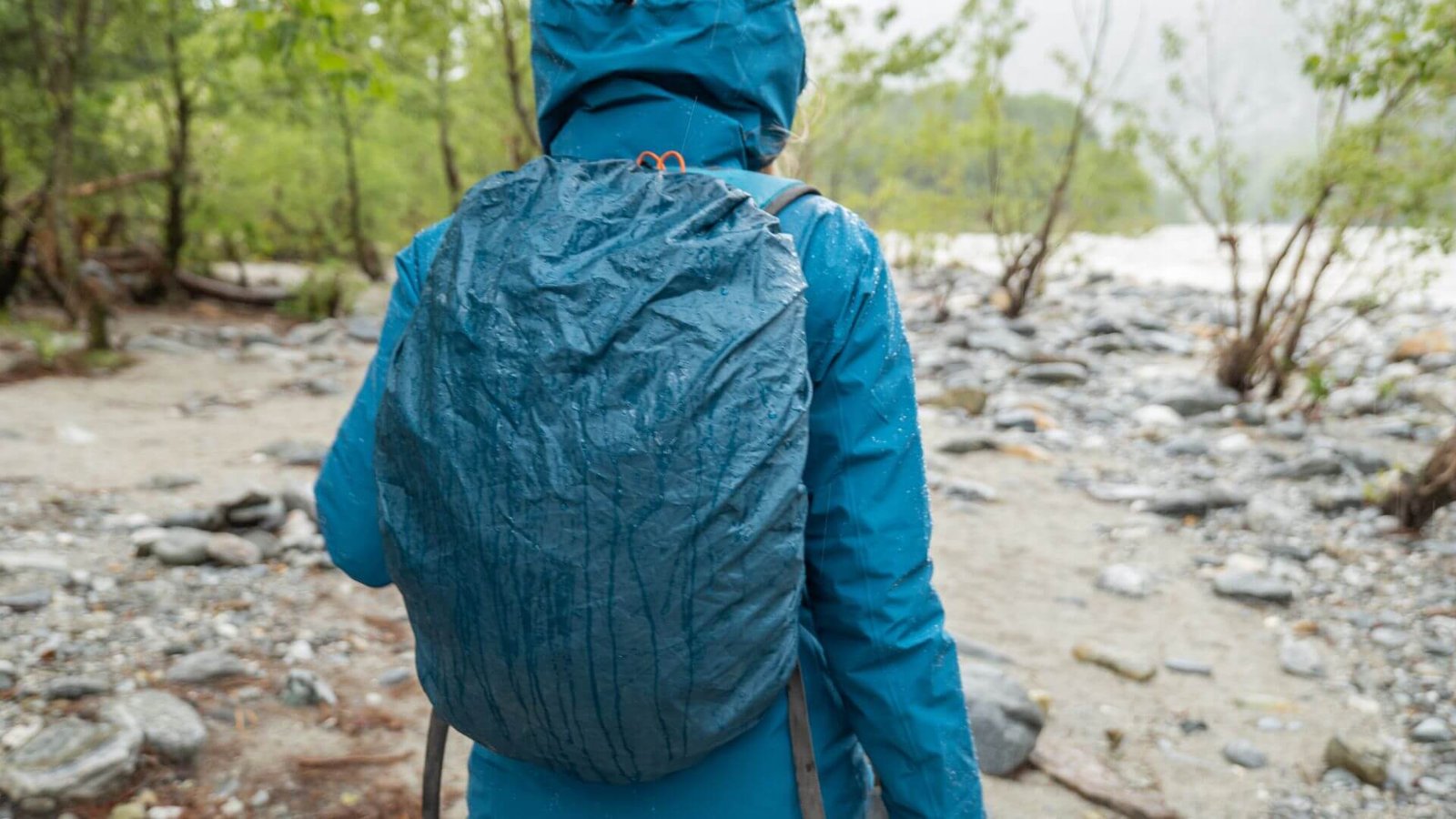
Backpack rain covers are a common piece of protective gear for outdoor travel. As outdoor enthusiasts and suppliers of rain covers, we’d like to share our experience and basic knowledge about rain covers, including how to choose one, whether they’re worth buying, and what materials to consider. We hope this will be helpful in your outdoor gear purchasing decisions.
1. What is a Backpack Rain Cover?
As the name suggests, a rain cover acts like a “lid” that covers the surface of the backpack, helping to protect it from rain. It is primarily used in rainy, snowy, or damp conditions to prevent the backpack and its contents from getting wet.
2. How to Use It?
There are three common types:
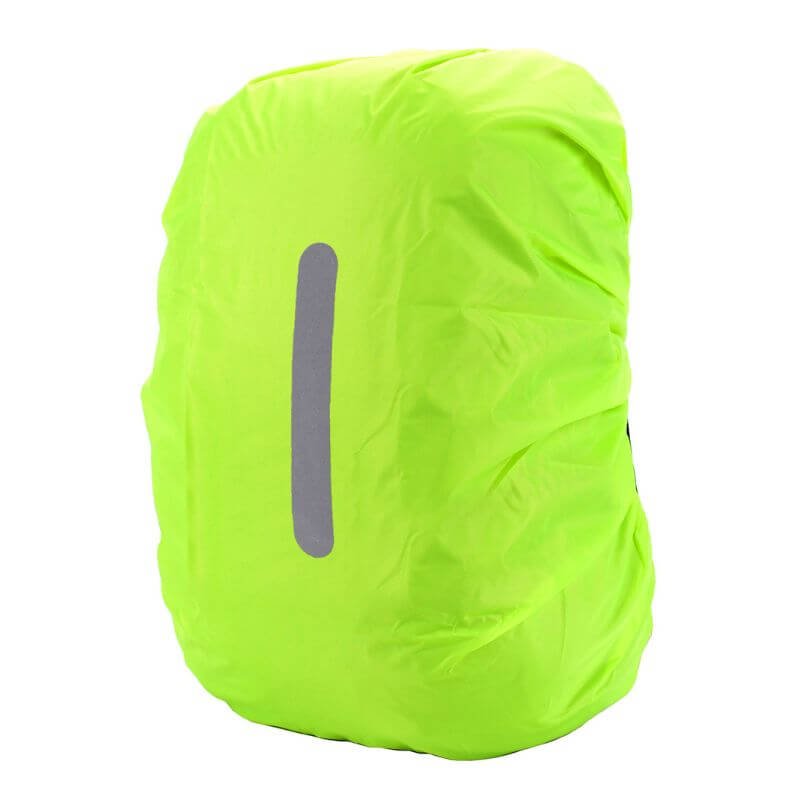
Elastic band backpack rain cover
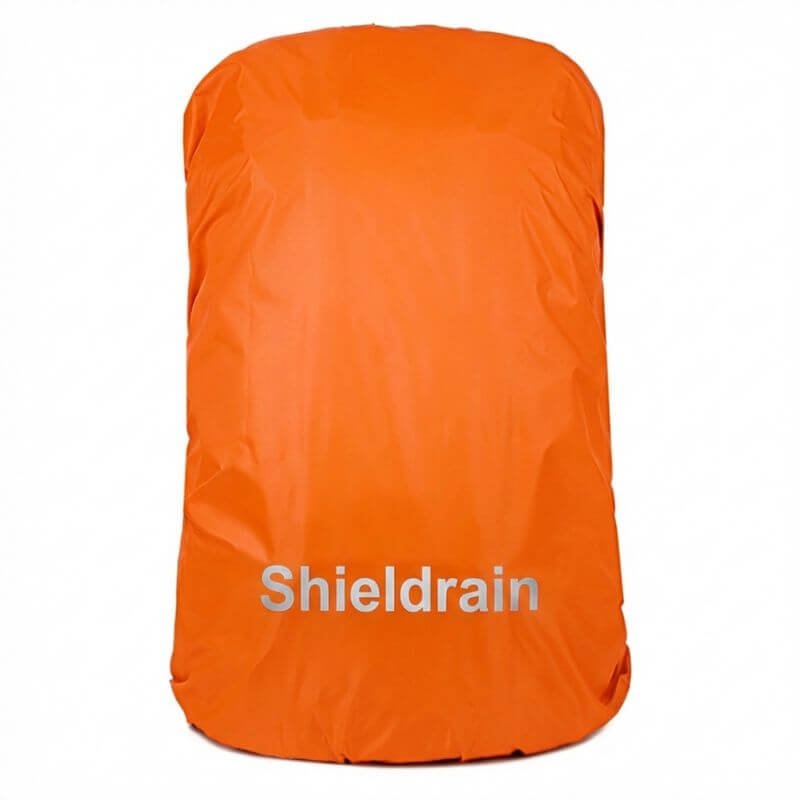
Drawstring backpack rain cover
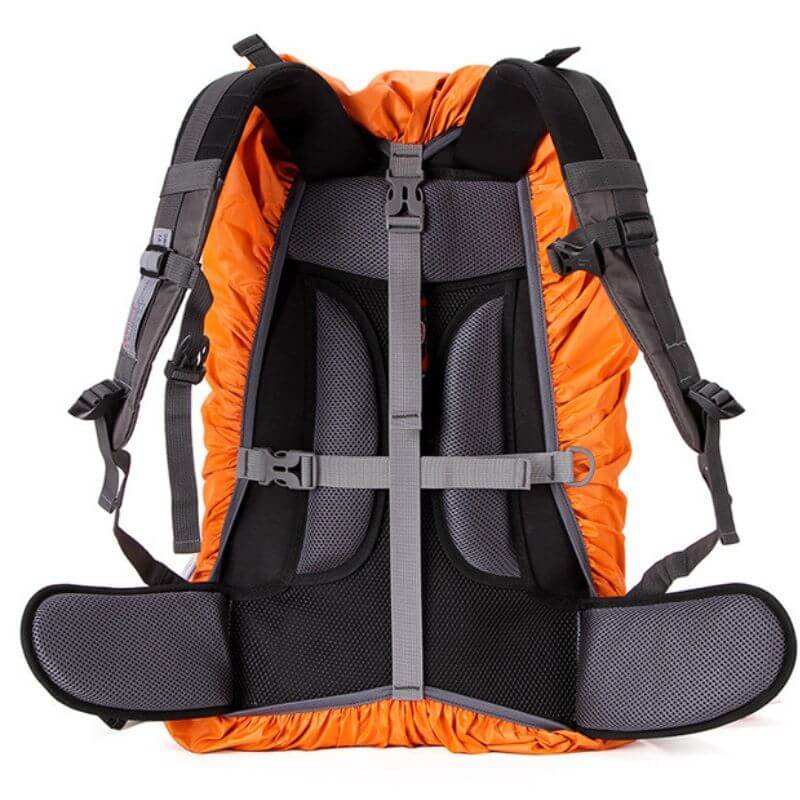
Buckle strap backpack rain cover
Elastic Band Backpack Rain Cover: Simply choose a rain cover that matches your backpack size (for example, if your backpack is 35L, you need to choose size M, suitable for 30-45L). Lay the backpack flat, then use both hands to stretch the elastic band and fit it over the backpack.
Drawstring Backpack Rain Cover: This type of rain cover is usually an upgraded version of the elastic band type, developed as a reinforced version to prevent incorrect sizing or to handle various situations encountered outdoors. In addition to the elastic band for fixing, there is an extra drawstring for securing the cover.
Buckle Strap Backpack Rain Cover: The buckle strap type offers greater stability and generally won’t come off. However, it has one major drawback: the buckle strap on the back can feel like a hard object, potentially causing discomfort due to pressure.
Tip: When not in use, please dry your rain cover thoroughly before storing it. Prolonged exposure to air and moisture can cause cracking and degradation of the waterproof layer.
3. The Main Function of a Backpack Rain Cover
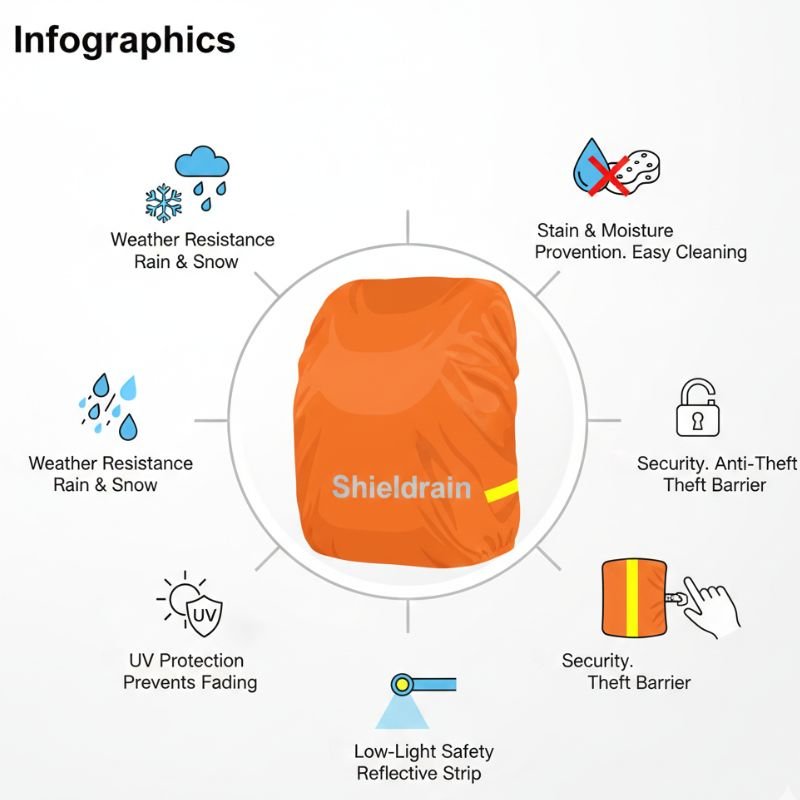
Besides the commonly known functions of protecting against rain, water, and snow, there are actually some even more important factors:
Protection against oil, dirt, and moisture: During travel, it’s inevitable that backpacks will be placed in various places, easily accumulating oil and moisture, which reduces the lifespan of the backpack – something we want to avoid.
Security: A backpack rain cover acts like a protective barrier, shielding all the zippers. This makes it difficult for thieves to access the contents from behind. Furthermore, rain covers are usually brightly colored, making them less appealing targets for theft.
On the other hand, some rain covers have reflective strips, which can enhance our safety.
UV protection: The coating on the rain cover provides a certain degree of UV protection. Direct sunlight can cause backpacks to fade and reduce their waterproofing capabilities, so using a rain cover for protection is necessary.
Easy cleaning: After prolonged outdoor activities, backpacks will inevitably get dirty to varying degrees. However, cleaning a backpack is troublesome. In this case, the rain cover can act as a protective barrier against dirt; you only need to clean the surface of the rain cover, and it can be reused for the next trip.
4. Material Selection for Backpack Rain Covers
| Feature | Polyester Rain Cover | Nylon Rain Cover |
|---|---|---|
| Material Feel | Slightly stiff | Soft & flexible ✓ |
| Weight | Medium | Lightweight ✓ |
| Waterproof Performance | Good (PU / PVC coated) | Excellent (PU / Silicone coated) ★ |
| Abrasion Resistance | Good | Very High ✓ |
| UV Resistance | Better, less fading ✓ | Average |
| Packability | Good | Excellent, packs smaller ★ |
| Cost Level | Lower cost(5-10$) | Higher cost(10-30$) |
| Typical Use | Daily, commuting, travel backpacks | Hiking, camping, outdoor backpacks |
| Recommended For | Cost-effective mass market | Premium & outdoor market |
5. Disadvantages of Backpack Rain Covers
The above explains the advantages of the rain cover, but it also has a fatal flaw.
When using this product, we cannot protect the backpack straps, which leaves them exposed to the rain, increasing the weight. Even worse, rainwater accumulates between the back and the backpack and then runs down the back, causing the inside of the backpack to become damp. This is why most people dislike it.
6. Pack Cover vs Pack Liner
As we mentioned, the backpack cover has flawed waterproofing capabilities, but it can withstand most rain and doesn’t add much extra weight.
The Pack Liner, on the other hand, completely protects our belongings from getting wet, but since it’s used inside the backpack, the exterior of the backpack will absorb a lot of rainwater, leading to increased weight.
7. Rain Cover Selection Suggestions
➀ Sunny, light rain, outdoor travel -> Backpack rain cover
② Light rain (backpack has waterproof features) -> Pack Liner
③ Double layer protection -> Pack Cover + Pack Liner
④ Heavy rain, heavy snow, and other harsh conditions -> No rain cover is recommended; a professional outdoor hiking poncho is advised.
Conclusion
Backpack rain covers are very practical products and play an important role in activities such as traveling, hiking, and cycling, protecting our backpacks and the items inside from damage. We also recommend using a backpack liner and a rain cover simultaneously for added security. These products are very lightweight and will hardly affect your outdoor activities. Therefore, to avoid unnecessary worries when traveling, remember to bring your rain cover.